Wan 2.7 has quickly become one of the most talked-about names in AI video. Creators are watching for a major step forward in motion quality, audio integration, and reference-based control. At the same time, the current public information is uneven: some details are well grounded, while others are still circulating as preview claims rather than fully documented release facts.
That is why the smartest way to cover Wan 2.7 right now is simple: separate what is already confirmed, what is newly reported, and what still belongs in the rumor category. For readers who want to do more than watch the news cycle, the practical option today is to try current AI video workflows on Flyne AI Video Generator, which offers a live creation flow for text, image, and video-based generation.
Why Wan 2.7 Matters
Wan has already built a reputation as one of the more important names in AI video generation. Earlier public releases established the series as a serious contender for text-to-video and image-to-video work, while newer product-facing updates have pushed the family toward richer cinematic outputs, better synchronization, and more usable creator workflows.
That context matters. Wan 2.7 is interesting not because it appears out of nowhere, but because it looks like a continuation of an existing trend: more control, more coherence, and a more practical bridge between generation and editing. If those expectations hold, Wan 2.7 could become a meaningful upgrade for creators who care about stable scenes, consistent subjects, and audio-aware video workflows.
What’s Actually Confirmed
The clearest confirmed layer is not Wan 2.7 itself, but the current public Wan ecosystem around it. Official public repositories are still centered on earlier open releases, while production-facing tools continue to make existing AI video workflows more accessible for creators.
A good article should avoid treating Wan 2.7 like a fully published, fully documented release if the official public model cards, open repositories, and cloud model listings are not yet presenting it that way. Right now, the confirmed story is that Wan continues to evolve, and creators can use Flyne AI’s AI video generator as a practical place to test modern video-generation workflows instead of only waiting for the next release.
For creators, this is useful. It means there is already a working baseline. You do not have to write about Wan 2.7 in a vacuum; you can compare future upgrades against real, accessible tools such as AI text-to-video generation and photo-to-video generation.
What’s New in the Wan 2.7 Conversation
Most of the excitement around Wan 2.7 comes from recent preview-style reporting. The reported direction is ambitious: stronger visual quality, smoother motion, better stylization, better consistency, and more advanced audio support. For AI video creators, those are exactly the upgrades that matter most because they directly affect whether a model feels experimental or production-friendly.
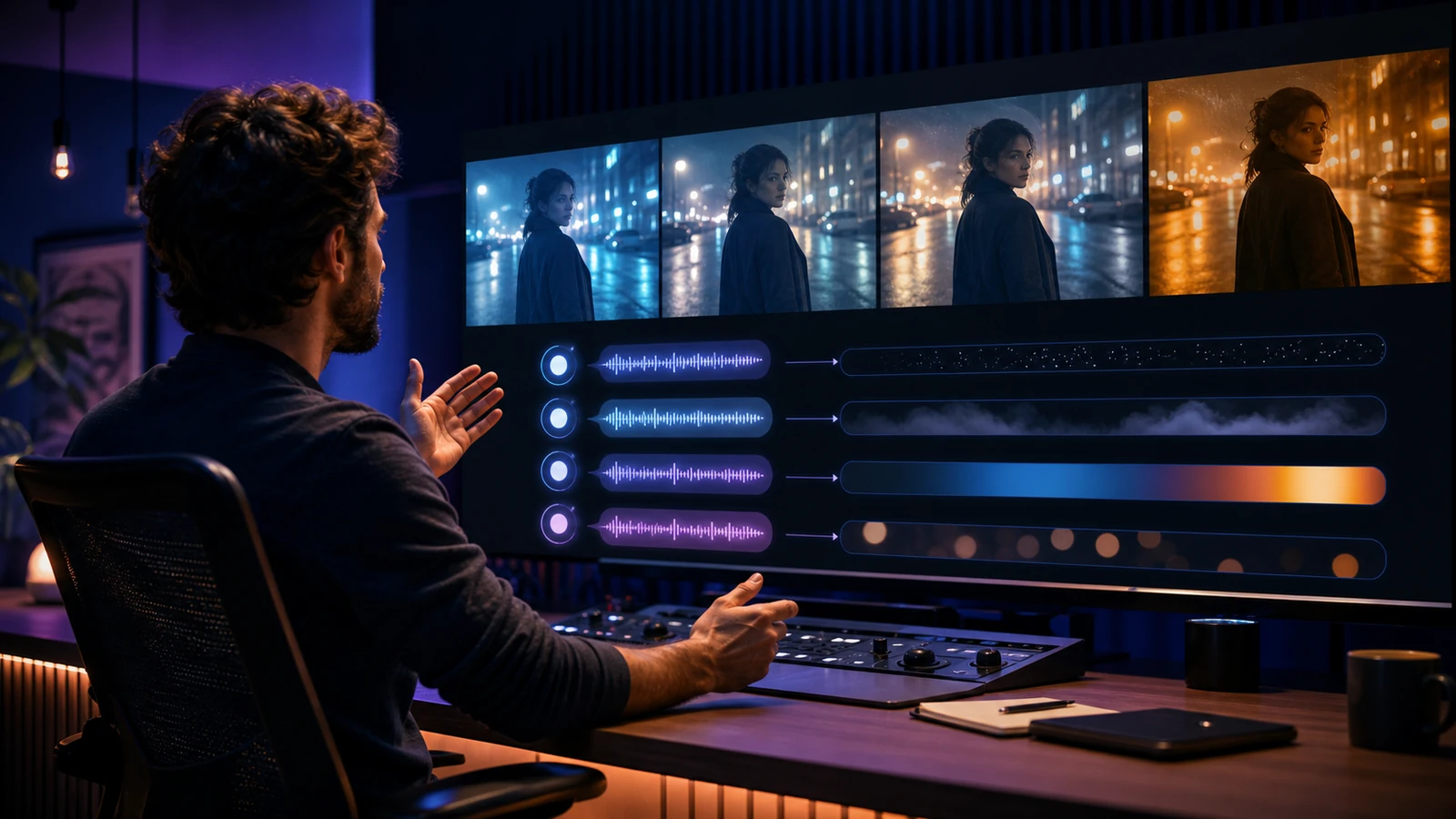
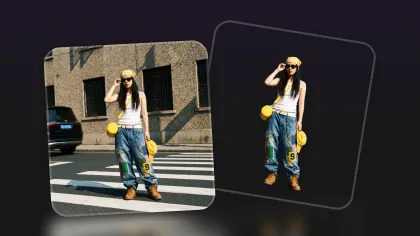
The reported feature set is even more interesting. Wan 2.7 is being discussed as a model that may introduce first-frame and last-frame control, 9-grid image-to-video workflows, subject and voice reference inputs, instruction-based video editing, and video recreation tools. If that ends up matching the actual release, Wan 2.7 would not just be a better generator. It would be closer to a more complete video-creation system.
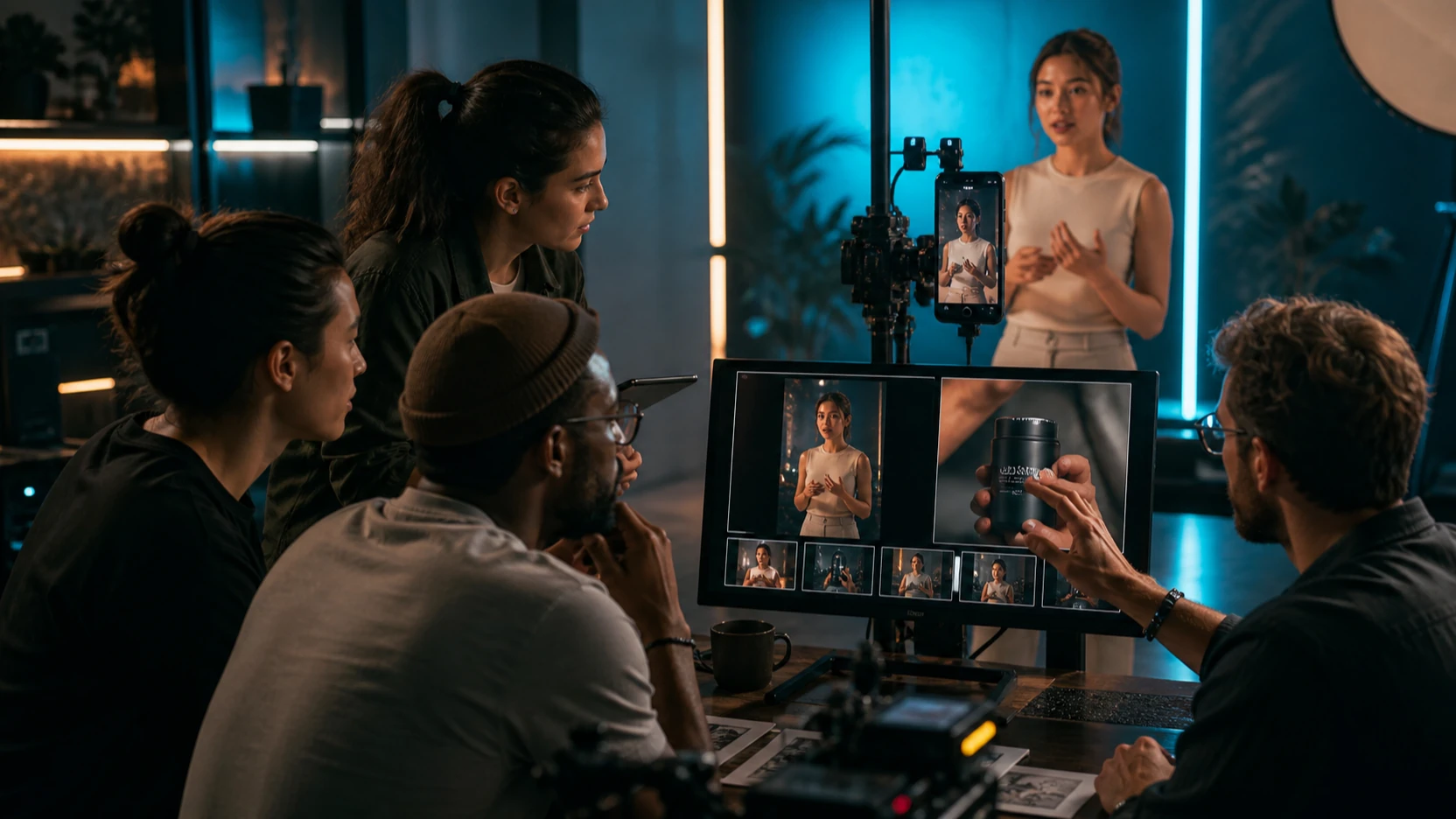
That distinction is important. Stronger generation alone is useful, but better control changes how creators work. It reduces trial-and-error, makes iterative edits easier, and gives marketers, short-form creators, and filmmakers a clearer path from idea to usable clip.
What’s Still Rumored or Unclear
This is where the article needs discipline. There is still a lot we do not know for certain about Wan 2.7.
We do not yet have a fully established public picture of its release format. Will it appear first through a cloud platform, an API, partner platforms, or a later open release? We also do not have fully settled public information on pricing, model variants, hardware expectations, resolution ceilings, duration limits, or the exact structure of its editing workflow.
That uncertainty does not make Wan 2.7 unimportant. It simply means the current best framing is not “here is everything the model officially does.” The better framing is: here is what is confirmed, here is what is being reported, and here is what creators should wait to verify.
Wan 2.7 vs Wan 2.6: The Practical Creator Angle
The easiest way to make this topic useful is to compare expected outcomes rather than chase every rumor. For most creators, the real question is not “What version number is newer?” It is “How will this change my workflow?”
Wan 2.6 already points toward the answer. The model has been positioned around multimodal video creation, audio-visual coordination, short cinematic outputs, and better scene stability. That means Wan 2.7 is likely to matter most if it pushes those same strengths further while adding better control tools.
If the reported features prove accurate, Wan 2.7 could improve four things creators care about most: control, consistency, audio integration, and efficiency. Frame-aware guidance would make outcomes easier to shape. Better reference handling would help recurring characters and branded visuals. Stronger audio alignment would make music-driven and voice-driven clips more usable. Built-in editing logic would reduce the need to jump between separate tools.
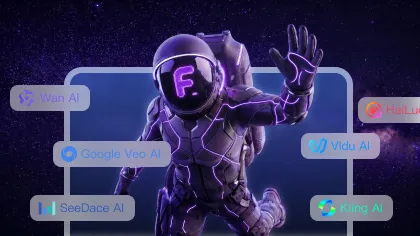
This is also where comparisons with Veo, Kling, Hailuo, and Flux Video models remain useful. Different AI video models solve different creative problems, and Wan 2.7 will need to prove where it fits inside that larger model landscape.
Should You Wait for Wan 2.7 or Start Now?
The answer depends on what kind of creator you are.
If you are mainly tracking industry developments, it makes sense to keep watching Wan 2.7. It looks like one of the more interesting near-term AI video updates, especially if you care about editing controls, multi-reference inputs, and stronger subject consistency.
If you actually need to make videos now, waiting is less useful. In that case, start with a workflow you can use today. Flyne AI Video Generator is the more practical choice for readers who want to experiment with text-to-video, image-to-video, and audio-aware generation without relying on future release timelines.
The simplest editorial takeaway is this: Wan 2.7 is promising, but today’s usable AI video tools are already worth testing.
How to Try an AI Video Workflow Right Now
If you want to turn this topic into something hands-on, the workflow is straightforward.
- Open Flyne AI Video Generator.
- Decide whether to start from text, an image, or a reference-driven concept.
- Use AI Text to Video Generator for prompt-first clips.
- Use Photo to Video Generator when you want to animate a still image.
- Use Video to Video Generator when you want to transform existing motion.
- Keep prompts short and visual at first so you can judge motion, coherence, and style more clearly.
- Use those results as your baseline while following Wan 2.7 news.
That gives readers a stronger perspective than rumor coverage alone. Instead of only asking what Wan 2.7 might become, they can already understand what current AI video generators can do.
Final Verdict
Wan 2.7 is one of the most interesting AI video stories right now, but it should be covered with precision. The model appears to be heading toward better motion, stronger audio, richer control, and more reference-aware workflows. Those are real reasons to pay attention.
At the same time, the most responsible way to write about Wan 2.7 is to keep the boundaries clear. Official public documentation still points more strongly to existing Wan releases and current AI video workflows, while much of the Wan 2.7 conversation is still driven by preview reporting.
So the balanced conclusion is this: Wan 2.7 looks promising, the rumored upgrades are worth watching, but the best way to engage with AI video today is to test practical tools now and treat them as the real-world benchmark for what comes next.
Related Articles
- Wan 2.6 Release Explained: How It Stacks Against Google’s Veo 3.1
- Flyne AI Video Generator Guide for 2026: Best Models Compared & Ranked
- Best AI Video Models 2026: The Ultimate Guide to Image-to-Video Generation
- Flyne AI Image to Video Generator: The Best AI Image-to-Video Workflow in 2026