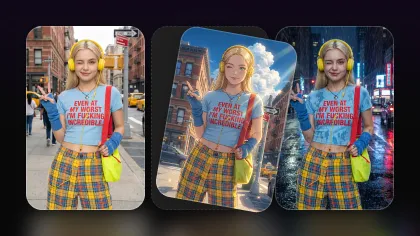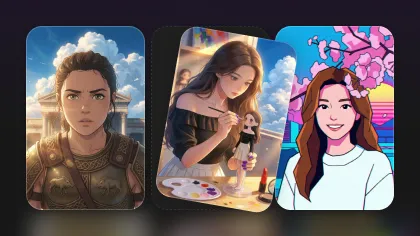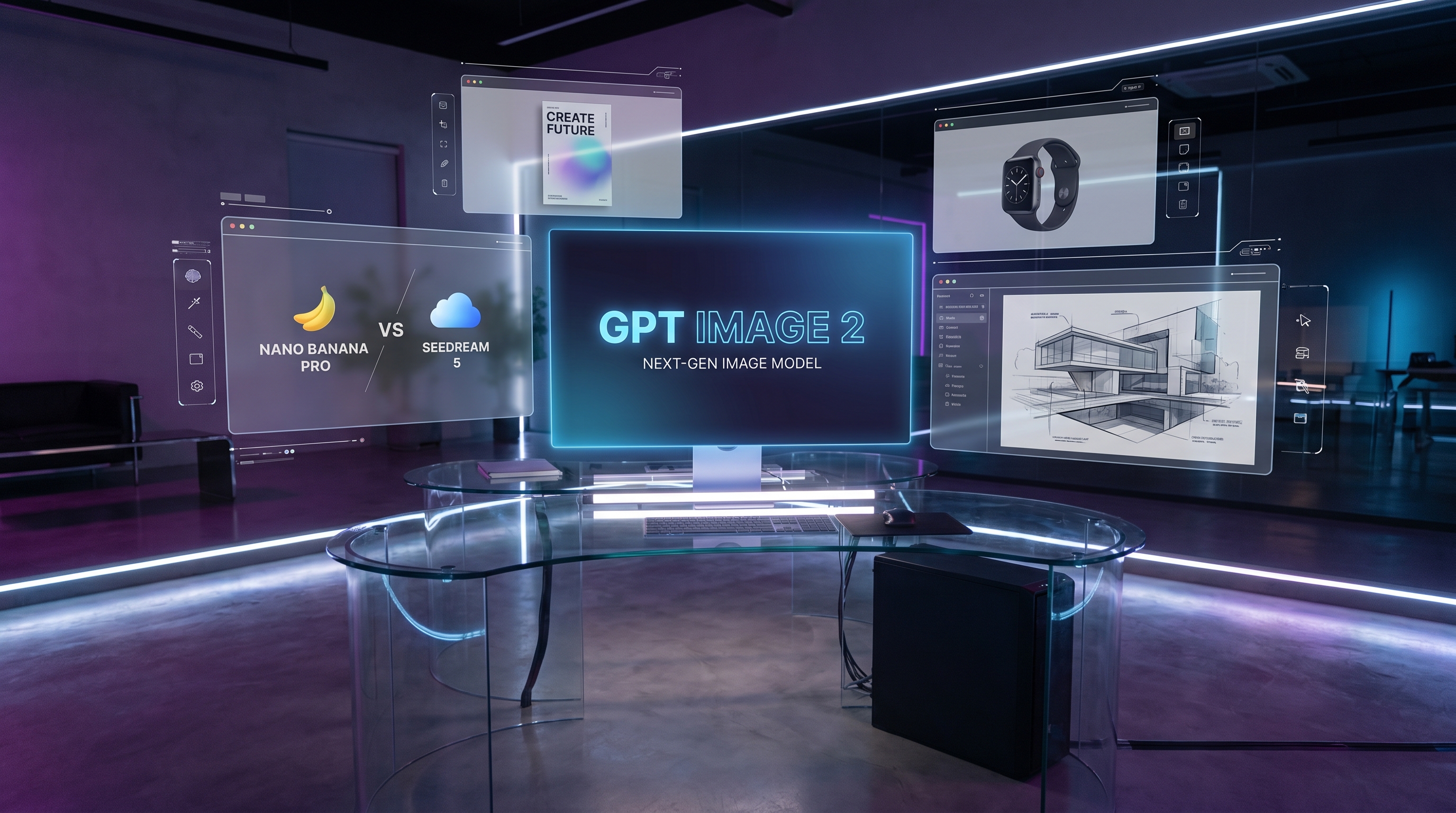
Interest in GPT Image 2 has grown quickly because creators want the next leap in text-to-image quality, cleaner editing, stronger typography, and more reliable prompt following. But there is an important distinction to make before getting into the hype: at the time of writing, OpenAI’s official public image stack is still centered on GPT Image 1.5 and the current ChatGPT Image AI experience, while “GPT Image 2” is mostly a name used in community discussions, early reporting, and speculation.
That does not make the topic unimportant. In fact, it makes it more interesting. The real question is not whether the rumor sounds exciting. It is whether the direction of the image market points to a meaningful upgrade, and how that possible upgrade compares with the latest strong alternatives already available, especially Nano Banana Pro and Seedream 5.
Why GPT Image 2 is getting so much attention
The excitement around GPT Image 2 comes from a simple pattern. Users are seeing rapid progress in image models, but most creators still run into the same friction points: text inside images breaks, hands and object relationships drift, edits lose consistency, and product-style visuals often look polished at first glance but fall apart under closer review.
That is why so many people are paying attention to anything described as a next-generation OpenAI image model. If a newer model really improves prompt accuracy, text rendering, layout control, and image editing, it would matter to more than artists. It would matter to marketers, founders, content creators, product teams, and anyone building visuals with real information inside them.
In other words, the appeal of a future chatgpt image 2 release is not just prettier pictures. It is the possibility of more usable pictures.
What is actually new, and what is still unconfirmed
This is where a balanced reading matters. Right now, the strongest confirmed story is that OpenAI has already improved its image generation stack substantially through the current GPT Image family. The rumored next step is being discussed as if it would push even further in four areas.
First, text rendering appears to be the biggest area of interest. Creators increasingly want posters, social graphics, packaging mockups, ads, landing page concepts, and app screens. For these jobs, beautiful style is not enough. The text has to be readable.
Second, layout understanding seems to be central to the conversation. A stronger model would not only draw appealing objects, but place them in a way that feels intentional. That means cleaner compositions, clearer hierarchy, and less of the strange “almost right” look that many image models still produce.
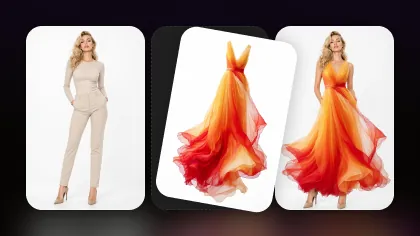
Third, photorealistic editing matters more than ever. People no longer want to generate from scratch every time. They want to upload a product, swap a background, refine lighting, change clothing, add props, or adjust a brand scene without losing the core image.
Fourth, instruction following is becoming the real battleground. The best image model in 2026 is not simply the one with the prettiest samples. It is the one that listens best.
How GPT Image 2 compares with Nano Banana Pro and Seedream 5
If you want a practical comparison, the easiest way to think about these models is by workflow.
Nano Banana Pro feels like the premium design-first option in this conversation. It is the kind of model people look at when they care about polished output, clean typography, strong visual finish, and presentation-friendly images. If your goal is marketing graphics, posters, brand visuals, or infographics that need to look sharp out of the box, Nano Banana Pro is a very serious benchmark. It feels tailored to users who want image quality that is not only impressive, but usable in professional contexts.
Seedream 5 takes a slightly different kind of strength. It stands out when the prompt needs more logic, structure, and consistency. If you are generating scenes with multiple relationships, physical details that need to make sense, or visuals that follow a more reasoned setup, Seedream 5 becomes especially interesting. It is less about “wow, that looks glossy” and more about “this image understood what I meant.”
A future GPT Image 2 would likely sit between those strengths in a very powerful way if the current expectations prove accurate. OpenAI’s broader advantage has always been the natural language layer around the model. That matters because many users do not want to master prompt engineering. They want to describe what they need in normal language, revise it conversationally, and keep refining until the result fits. If the next OpenAI image release truly improves text, layout, and edits while keeping that chat-native workflow, it could become one of the most practical creator tools in the market.
So which model looks strongest right now by use case?
- For polished visual design and presentation-ready images, Nano Banana Pro looks especially appealing.
- For logic-heavy prompts and scenes that need stronger structural coherence, Seedream 5 is a strong pick.
- For users who value conversational editing and want to stay close to the OpenAI ecosystem, the idea behind GPT Image 2 is especially compelling, even if the final public version is still not officially defined.
What creators should do right now
The smartest move is not to wait passively for a rumored model name. It is to build around the workflows that already matter.
If you create ads, thumbnails, product mockups, blog visuals, social content, or landing page art, start by testing current high-performing models side by side. Compare how they handle text, lighting, prompt fidelity, faces, edits, and brand-style consistency. That will tell you more than any hype cycle.
This is also why a multi-model hub makes sense today. Instead of locking yourself into one model identity too early, it is more useful to experiment with different strengths in one place and choose the model that fits the task. That is exactly where Flyne AI’s image generator becomes a practical recommendation. It gives creators a place to work with strong image-generation workflows now, while also making sense as a destination to watch if a true GPT Image 2 rollout becomes available later.
Final thoughts
The biggest story around GPT Image 2 is not that it is already fully here. It is that the image market has reached a point where users are asking for more than visual beauty. They want readable text, better edits, stronger prompt alignment, and outputs that can move directly into real creative work.
That is why this conversation matters. Whether the next headline ends up being GPT Image 2, a new GPT Image version, or something officially named differently, the direction is clear. Image generation is becoming less about novelty and more about utility.
For now, Nano Banana Pro and Seedream 5 already show what the frontier looks like. And if you want a practical place to explore that frontier today, Flyne AI’s AI image generator is an easy recommendation for testing, comparing, and building with modern image workflows while the next OpenAI release story continues to unfold.
Recommended Models and Tools
Related Article
- Introducing Google Nano Banana: The Mysterious AI Image Generator Redefining Creativity
- Nano Banana Pro Guide: 10 Best Image Prompts for Expert Use Cases
- Krea AI Review: How It Compares With Nano Banana 2 and Seedream 5 on Flux AI
People Also Read
- HeyDream AI Image Generator Guide & Model Comparison
- Seedream 5.0 Image Generation Guide on HeyDream AI (Step-by-Step + Best Tools)
- Nano Banana 2 vs Nano Banana Pro: What Changed and Which One Fits Your Workflow?
- GPT4o Image Generation Guide: Create Stunning Art with the New GPT-4o Image Generator
- Nano Banana 2 vs Seedream 5.0: A Practical Comparison Guide
- Seedream 5.0 Lite vs Nano Banana Pro on FluxProWeb: A Practical Comparison Guide
- How to Use the AI Music Video Generator: A Detailed Guide from Song to Video