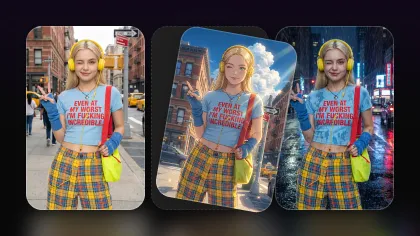
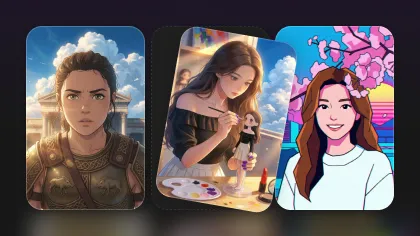
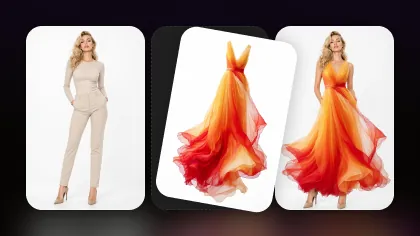
AI video generation is evolving at a pace that makes old model guides feel outdated quickly. A model that looked impressive last year may now be only one option in a broader production stack. For creators, marketers, developers, and video teams, the real question is no longer “Which model is the newest?” It is: which AI video model gives you the most usable result for your workflow?
That is the best way to review the Wan AI suite on Flaq AI. Older conversations around WAN often focused on WAN 2.5 and WAN 2.2 Animate, but the more practical recommendation today is to test newer Wan workflows through Flaq AI, especially Wan 2.6 Text-to-Video API, Wan 2.6 Image-to-Video API, Wan 2.7 Text-to-Video API, and Wan 2.7 Image-to-Video API.
This review explains what the Wan AI suite does well, where it still has limits, how to use it through Flaq AI, and which alternative models to consider when your project needs a different strength.
Quick Verdict
The Wan AI suite is a strong choice if you want practical AI video generation with cinematic quality, prompt control, image-to-video animation, realistic motion, and scalable API access. It is especially useful for creators who want to move from browser testing to repeatable production workflows.
Use the Wan AI suite when you need:
- Text-to-video scenes from natural-language prompts
- Image-to-video animation from product shots, portraits, or campaign visuals
- Cinematic short clips with realistic lighting and motion
- Product demos and marketing videos
- Social content at scale
- Developer-friendly API access for video generation
However, Wan is not the only model worth using. Veo 3.1 can be better for premium cinematic storytelling, Kling 3.0 can be stronger for motion-heavy scenes, Seedance 2.0 is useful for social video with sound, and Vidu Q3 is worth testing for fast creative iteration.
What Is the Wan AI Suite?
The Wan AI suite is a family of Alibaba video generation models for creating videos from text prompts or source images. Instead of thinking of Wan as one single tool, it is more accurate to treat it as a suite of workflows.
On Flaq AI, the most relevant access paths are:
- Wan 2.6 Text-to-Video API for prompt-first video generation.
- Wan 2.6 Image-to-Video API for animating source images.
- Wan 2.7 Text-to-Video API for testing the newer text-to-video generation path.
- Wan 2.7 Image-to-Video API for newer image-led animation workflows.
The original article framed WAN 2.5 as the flagship and WAN 2.2 Animate as a motion companion. That framing should be updated. Those older references are still useful historically, but creators and developers should prioritize currently accessible Wan 2.6 and Wan 2.7 workflows when building a practical production stack on Flaq AI.
Wan AI Review: What It Does Well
1. Cinematic Text-to-Video Generation
The biggest reason to test Wan 2.7 Text-to-Video API or Wan 2.6 Text-to-Video API is simple: Wan is strong at turning detailed scene prompts into coherent short videos.
It works especially well when your prompt includes:
- Subject
- Setting
- Camera movement
- Lighting style
- Emotional tone
- Motion intensity
- Output purpose
Example prompt:
A cinematic product ad for a premium smartwatch on a dark reflective surface. Slow camera push-in, soft rim lighting, subtle reflections, elegant black-and-gold color palette, realistic motion, premium commercial style.
Wan performs best when the prompt has a clear job. A vague prompt like “make a cool cinematic video” gives the model too much room to guess. A scene-directed prompt gives it structure.
2. Image-to-Video Animation
The Wan 2.7 Image-to-Video API and Wan 2.6 Image-to-Video API are especially useful when you already have a strong source image.
This workflow is good for:
- Product images
- Character portraits
- Fashion shots
- Campaign graphics
- Concept art
- Storyboard frames
- Social media visuals
A strong image-to-video workflow usually begins with a clean keyframe. If the source image has stable composition, clear lighting, and strong subject definition, the video model has less to invent. That usually means fewer artifacts and better motion consistency.
Example image-to-video prompt:
Animate this product image with a slow rotating camera move. Keep the product shape, label area, color, and packaging details unchanged. Add soft studio reflections, subtle background motion, and premium commercial lighting.
3. Realistic Motion and Physics-Aware Scenes
Wan is useful for realistic motion because it can handle camera movement, environmental effects, and object behavior in a way that feels more production-ready than many older video systems.
It is strongest with controlled motion such as:
- Slow push-in
- Gentle pan
- Product rotation
- Natural blinking
- Fabric moving in wind
- Water or smoke movement
- Subtle body motion
- Light shifting across a scene
It is weaker when you overload the prompt with multiple complex actions at once. For example, a long chase scene with several characters, fast camera cuts, exact hand gestures, and product details may still require several attempts.
4. Practical API Access Through Flaq AI
The main advantage of using Wan through Flaq AI is workflow continuity. You can test prompts in a hosted environment, compare multiple video models, and then move toward API use when the workflow is validated.
That matters for:
- Developers building AI video features
- Agencies testing campaign concepts
- SaaS teams adding media generation
- E-commerce teams creating product videos
- Creators who want repeatable workflows
- Internal marketing teams producing content at scale
Instead of relying on scattered access points, Flaq AI lets you compare the Wan AI suite with alternatives like Veo 3.1, Kling 3.0, Seedance 2.0, Vidu Q3, Happy Horse 1.0, Grok Imagine, and PixVerse V6.
Where Wan Still Has Limits
A fair review should not pretend the Wan AI suite solves every video-generation problem.
You may still see limits with:
- Long multi-scene storytelling
- Exact hand-object interaction
- Complex choreography
- Fast sports or fight scenes
- Precise product text under heavy motion
- Multi-character continuity
- Long dialogue sequences with perfect lip-sync
The best way to reduce failure is to start with one clear subject, one camera move, and one motion idea. Then add complexity only after the first test is stable.
Wan 2.6 vs Wan 2.7: Which Should You Try?
If you are starting now, compare both Wan 2.6 Text-to-Video API and Wan 2.7 Text-to-Video API with the same prompt.
| Workflow Need | Better Starting Point | Why |
|---|---|---|
| Stable production testing | Wan 2.6 Text-to-Video API | Good baseline for prompt-first video generation |
| Newer model testing | Wan 2.7 Text-to-Video API | Better path if you want the newer generation workflow |
| Product or portrait animation | Wan 2.6 Image-to-Video API | Strong for source-image animation and controlled motion |
| Newer image animation | Wan 2.7 Image-to-Video API | Better option for newer image-to-video testing |
The safest recommendation is to use Wan 2.6 as a stable reference and Wan 2.7 as the newer performance candidate. Run the same prompt through both, then judge by motion consistency, prompt accuracy, artifact control, and output usability.
Best Use Cases for the Wan AI Suite
Marketing and Advertising
Wan is useful for turning product ideas into short commercial clips. It can help teams create product reveals, lifestyle visuals, campaign previews, and social ads without needing a full shoot.
Best starting point: Wan 2.7 Image-to-Video API if you already have a product image, or Wan 2.7 Text-to-Video API if you are generating from scratch.
Social Media Content
For TikTok, Reels, Shorts, and fast creator posts, Wan is useful when you need short, visually clear clips. Keep motion simple and format-specific.
Best starting point: Wan 2.6 Text-to-Video API or Wan 2.7 Text-to-Video API.
Product Demonstrations
The image-to-video lane is strong for e-commerce and product showcases. Use a clean product photo, preserve the product shape, and add subtle camera movement.
Best starting point: Wan 2.6 Image-to-Video API or Wan 2.7 Image-to-Video API.
Film Previsualization
Filmmakers and visual teams can use Wan to test camera language, lighting, mood, and shot pacing before committing to a full production pipeline.
Best starting point: Wan 2.7 Text-to-Video API, then compare with Veo 3.1 Text-to-Video API.
Game and Animation Concepts
Wan can help with previsualizing cutscenes, character moments, world-building clips, and cinematic game trailers.
Best starting point: Wan 2.7 Image-to-Video API when you already have concept art.
Alternative Recommendations: What to Use Instead
The Wan AI suite is strong, but alternatives may fit better depending on the project.
Best Cinematic Alternative: Veo 3.1
Use Veo 3.1 Text-to-Video API when you want premium cinematic atmosphere, stronger film language, and more expressive scene interpretation.
Use Veo 3.1 Fast Image-to-Video when you want a faster image-to-video option with Google-style cinematic behavior.
Best for:
- Brand films
- Concept trailers
- High-end storytelling
- Premium product visuals
- Dramatic cinematic scenes
Best Motion Alternative: Kling 3.0 and Kling O3
Use Kling 3.0 Standard Text-to-Video for motion-heavy video generation.
Use Kling O3 Standard Image-to-Video when your workflow starts from a source image and needs strong animation control.
Best for:
- Dynamic action
- Character motion
- Fashion movement
- Product animation tests
- High-motion social clips
Best Social Video Alternative: Seedance 2.0
Use Seedance 2.0 Text-to-Video API when you need social-friendly video generation with built-in sound support.
Best for:
- Short-form ads
- TikTok-style clips
- Creator content
- Fast video ideation
- Sound-aware social workflows
Best Fast Testing Alternative: Vidu Q3
Use Vidu Q3 Turbo Text-to-Video when speed and cost-conscious testing matter more than premium cinematic polish.
Best for:
- Draft clips
- Music visuals
- Social experiments
- High-volume prompt testing
Best Experimental Alternative: Grok Imagine
Use Grok Imagine Text-to-Video when you want a fast experimental video model for creative testing.
Use Grok Imagine Image-to-Video when you want to animate a source image.
Best for:
- Experimental campaigns
- Fast creative exploration
- High-volume concept testing
- Social-first video ideas
Best Alibaba Alternative: Happy Horse 1.0
Use Happy Horse 1.0 Text-to-Video when you want to test another Alibaba video model with a different output personality.
Best for:
- Short video generation
- Alternative Alibaba workflows
- Prompt-to-video creative tests
- Scalable video prototyping
Best Volume Alternative: PixVerse V6
Use PixVerse V6 Text-to-Video or PixVerse V6 Image-to-Video when you want a broader video testing path for volume creation.
Best for:
- Social media volume
- Image-to-video drafts
- Campaign variations
- Fast creator experiments
Recommended Flaq AI Workflow
Use this workflow when testing the Wan AI suite and alternatives:
- Choose the task. Decide whether the video is a product demo, cinematic scene, talking clip, social ad, or animation from a still image.
- Pick the right lane. Use text-to-video for new scenes and image-to-video for existing visuals.
- Start with Wan. Test Wan 2.7 Text-to-Video API or Wan 2.7 Image-to-Video API first if you want the current Wan path.
- Compare one or two alternatives. Use Veo 3.1 for cinema, Kling 3.0 for motion, or Seedance 2.0 for social video.
- Keep prompts controlled. Test one subject, one camera move, and one motion idea.
- Refine only the winner. Do not waste time polishing weak outputs.
- Move to API integration after validation. Use browser testing first, then scale through Flaq AI API access.
Prompt Examples for Wan AI Workflows
Cinematic Text-to-Video Prompt
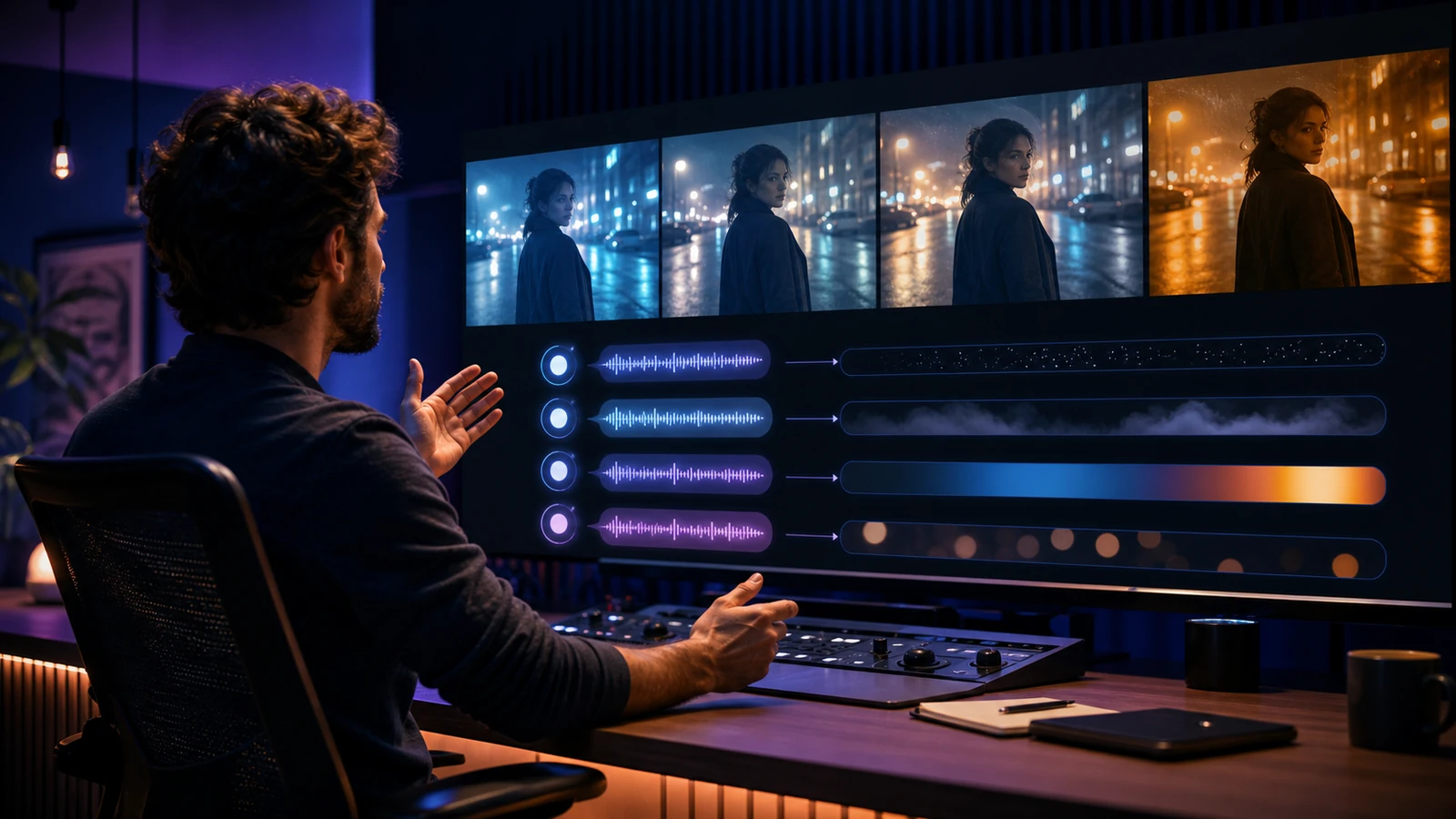
A cinematic night scene in a futuristic city, rain reflecting neon lights on the street, a woman in a long black coat walks slowly toward camera, soft blue and magenta lighting, slow tracking shot, realistic fabric movement, film-like atmosphere.
Product Image-to-Video Prompt
Animate this product image as a premium commercial clip. Keep the product shape, label area, and color unchanged. Add a slow dolly-in, soft studio reflections, subtle background movement, and elegant lighting.
Social Ad Prompt
A short vertical social video for a new fitness app. Energetic young creator checks progress on a phone, quick but smooth camera movement, bright gym lighting, confident expression, modern creator-style ad, clean background.
Game Concept Prompt
A dark fantasy game cutscene preview, armored knight standing before a ruined gate, red fog moving through the scene, slow cinematic camera push-in, sparks drifting in the air, dramatic lighting, realistic metal reflections.
Final Verdict
The Wan AI suite is a strong video generation option for creators and developers who want cinematic output, practical image-to-video animation, prompt-based scene control, and API-ready access.
The original focus on WAN 2.5 and WAN 2.2 Animate should be updated for current production planning. If you want to build around Wan today, use Flaq AI to test Wan 2.6 Text-to-Video API, Wan 2.6 Image-to-Video API, Wan 2.7 Text-to-Video API, and Wan 2.7 Image-to-Video API.
For most users, start with Wan when you want reliable production value. Compare with Veo 3.1 for cinematic storytelling, Kling for motion-heavy scenes, Seedance for social video, Vidu for fast testing, Grok Imagine for experimental output, Happy Horse for another Alibaba option, and PixVerse for volume workflows.
The best AI video workflow is not one model forever. It is a tested model stack: one reliable default, one cinematic option, one fast social option, and one alternative for difficult scenes.
Recommended Tools
- Wan 2.7 Text-to-Video API — best first pick for current Wan text-to-video testing.
- Wan 2.7 Image-to-Video API — best for newer image-led animation workflows.
- Wan 2.6 Text-to-Video API — useful as a stable text-to-video baseline.
- Wan 2.6 Image-to-Video API — practical for animating product images, portraits, and source visuals.
- Veo 3.1 Text-to-Video API — best alternative for cinematic quality and premium storytelling.
- Veo 3.1 Fast Image-to-Video — useful for faster cinematic image-to-video testing.
- Kling 3.0 Standard Text-to-Video — strong alternative for motion-heavy generation.
- Kling O3 Standard Image-to-Video — useful for image-based animation with motion control.
- Seedance 2.0 Text-to-Video API — useful for social video and built-in sound workflows.
- Vidu Q3 Turbo Text-to-Video — good for fast creator testing and draft clips.
- Grok Imagine Text-to-Video — useful for experimental creative video generation.
- Happy Horse 1.0 Text-to-Video — worth testing as another Alibaba video option.
- PixVerse V6 Text-to-Video — useful for scalable text-to-video production.
Related Articles
- Flaq AI Video Models Review: Which Video API Should You Use?
- Wan 2.7 API Guide: How to Use It on Flaq AI
- Is Wan 2.7 Open-Source, API-Only, or Platform-First?
- Google Veo 3.1 API on Flaq AI: Features, Pricing, and How to Use It
- Kling 3 API Guide: Standard vs Pro, Pricing, and How to Use It on Flaq AI
- Seedance 2.0 API Guide: How to Use Flaq AI for Faster Text-to-Video Workflows
- How to Use Grok Imagine Text-to-Video API on Flaq AI
- Alibaba HappyHorse AI: A Practical New Video Model for Creators and API Builders
People Also Read
- Wan 2.6 vs Wan 2.5: What’s Really Improved in the New Release
- WAN 2.6 vs WAN 2.5: What’s New, What’s Better, and Which One to Use
- Wan 2.7 Prompt Tips: How to Make AI Videos Feel More Human and Realistic
- Veo 3.1 API Guide: How to Use Google’s Premium Video Model on Flaq AI
- The 2026 Image-to-Video Guide for Sea Imagine AI: Best Models and Prompts
- SeaImagine AI Text-to-Video Guide: How to Choose Models and Create Better Clips