Google Flow AI video represents a shift from simple prompt-to-video generation toward AI creative studios built for planning scenes, generating clips, refining references, and shaping cinematic sequences. For creators, marketers, social video teams, and AI video beginners, the bigger question is not only “What is Flow?” It is also “How can I test practical AI video workflows today?”
Google Flow is an official Google AI filmmaking tool, so details such as model access, pricing, credits, subscription tiers, rights, supported regions, and mobile availability should be verified on official Google pages before publication or paid production. Flyne AI is useful as a practical adjacent platform for browser-based AI video generation, but it should not be described as Google Flow, official Google Flow access, or a Google partner unless a live page explicitly confirms that claim.

What Is Google Flow AI Video?
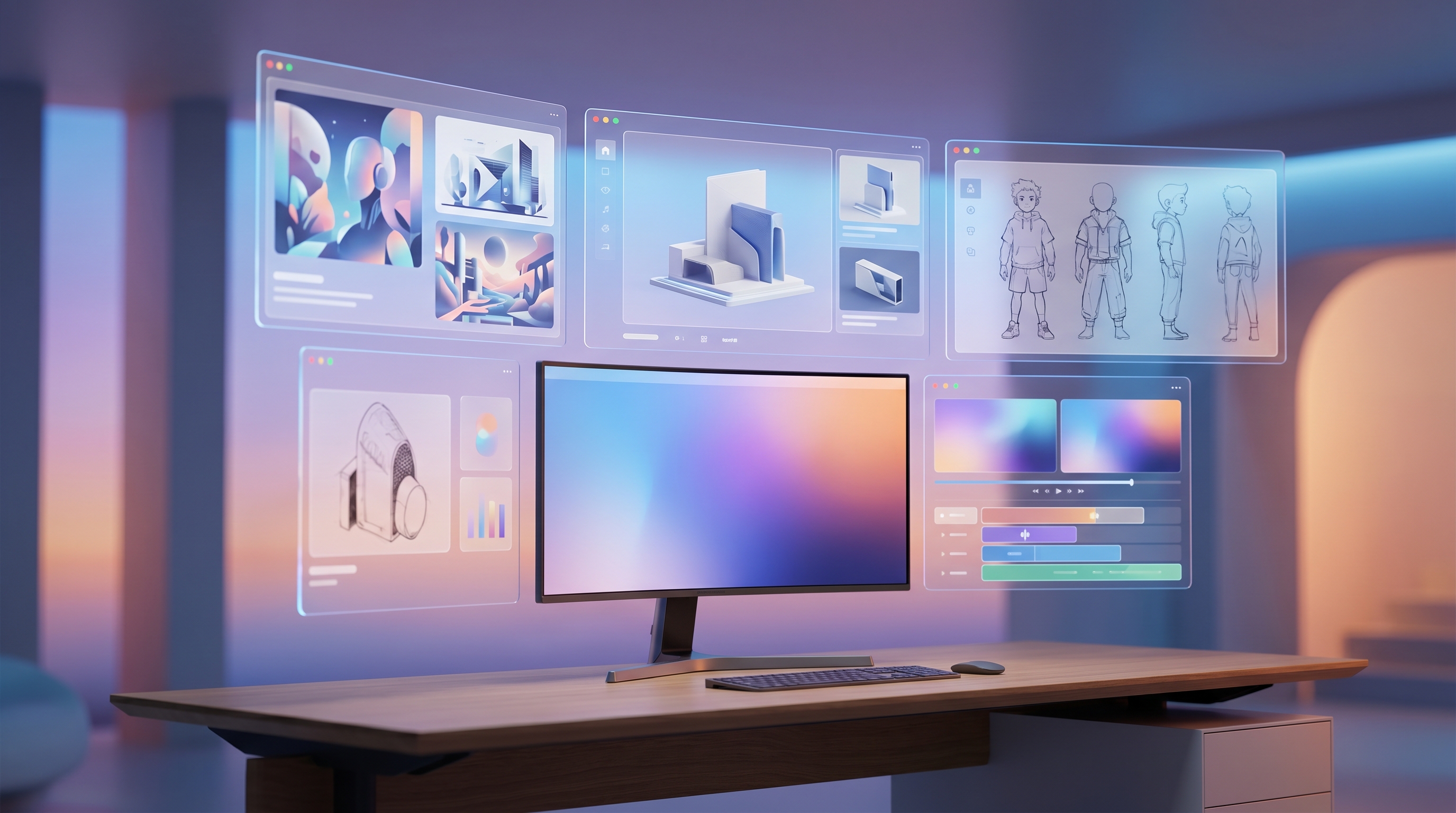
Google Flow AI video is best understood as Google’s AI filmmaking environment for creators who want more than a single generated clip. Official Google materials position Flow around Google’s video, image, and language models, including Veo, Imagen, and Gemini, with tools for creating shots, building scenes, and working with creative inputs such as text, images, ingredients, frames, and video.
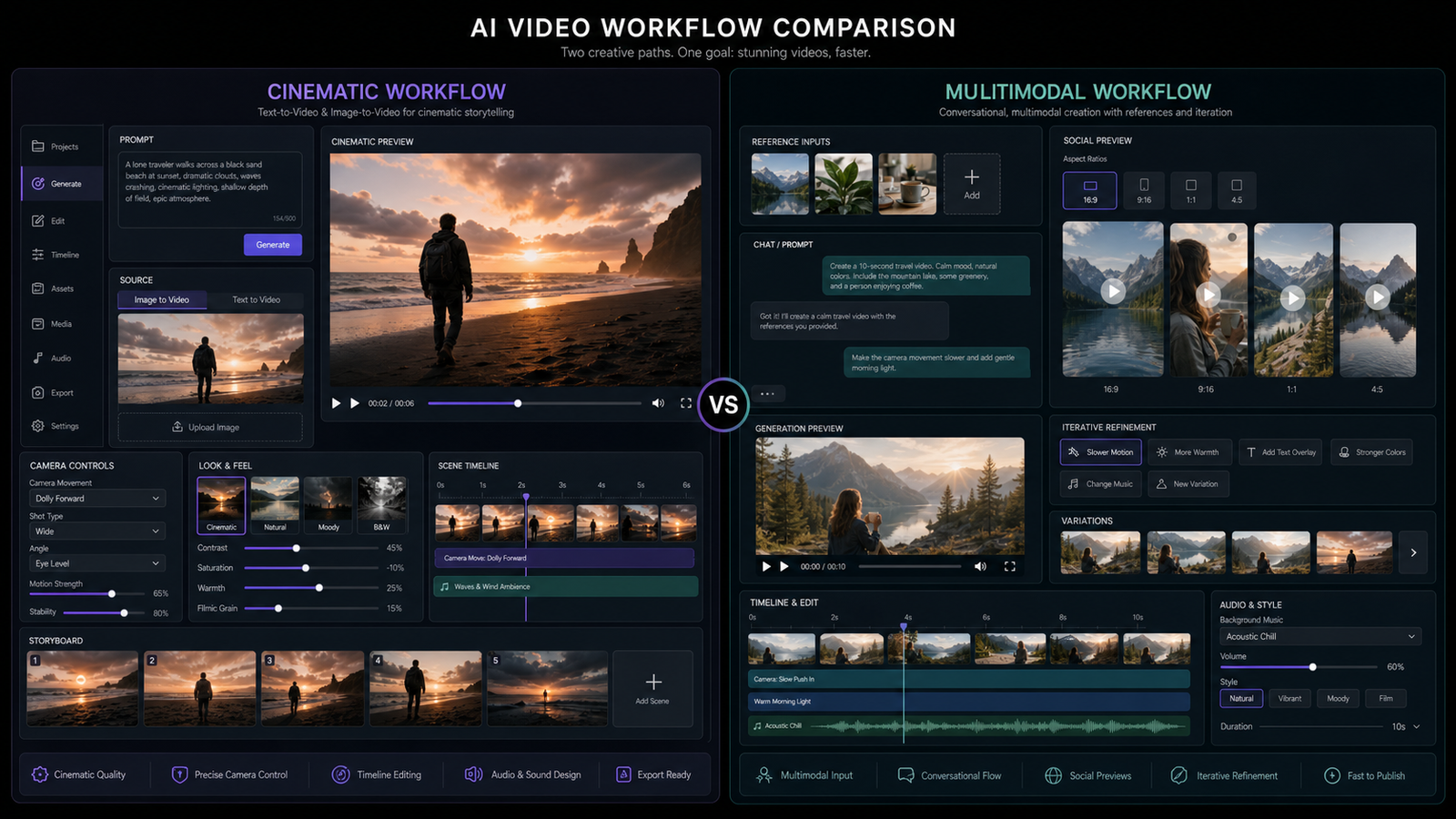
That makes Flow different from an ordinary AI video generator. A normal generator usually starts with a prompt and returns one output. A creative studio aims to support a longer process: define a scene, shape a subject, test a camera direction, manage references, and build a sequence from multiple generated pieces.
For readers comparing tools, the key distinction is this: Google Flow is the official Google studio concept, while platforms such as Flyne AI Video Generator are practical places to test adjacent AI video creation workflows in the browser.

Why Google Flow Matters for AI Filmmaking
Google Flow matters because AI video is moving toward planned scenes instead of isolated outputs. Filmmakers and production-minded creators often need shot continuity, consistent visual language, reference control, character direction, and repeatable scene logic. Those needs are closer to filmmaking than casual generation.
For example, a creator may start with a cliffside character scene, generate multiple angles, adjust the mood, preserve the wardrobe, and then build a short sequence. That type of workflow is where Flow-style tools become important: they support creative iteration across a project, not just one prompt.
This does not mean every creator needs official Flow access immediately. Many social teams and marketers can still learn the same core habits with an AI video generator: clear subject, clear action, camera movement, lighting, style, mood, and practical output goals.

How Google Flow Differs From a Basic AI Video Generator
The difference is workflow depth. A basic text to video AI generator is usually best for quick prompt testing, social concepts, product scenes, and short video drafts. Google Flow points toward a broader creative process where users can plan shots, control references, and build connected cinematic moments.
A useful comparison is “clip generation” versus “studio generation.” Clip generation answers one prompt. Studio generation helps the creator manage a chain of creative decisions: subject consistency, scene context, timing, camera continuity, and visual references.
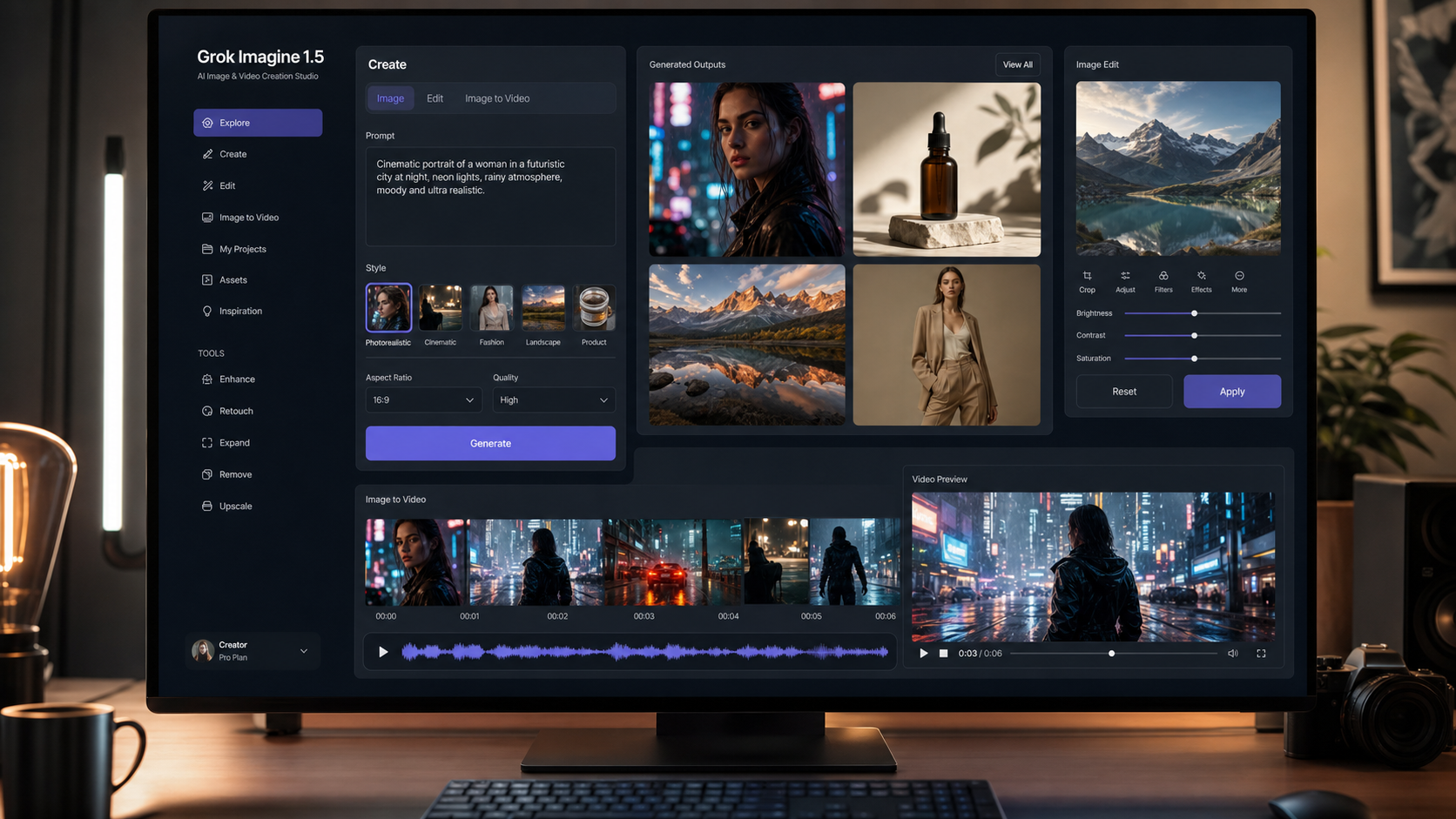
That said, practical AI video generator pages still matter. On Flyne, users can test nearby workflows through AI Text to Video, Photo to Video AI Generator, and Veo-style model pages without presenting those pages as official Google Flow.

Where Flyne AI Fits in Practical Creator Workflows
Flyne AI fits as a hands-on AI video creation platform for creators who want to test prompts, compare video styles, and build browser-based outputs. It should be recommended as an adjacent workflow platform, not as official Flow access.
For practical testing, the most relevant Flyne pages include Flyne AI Video Generator, Flyne AI Text to Video Generator, Flyne Photo to Video AI Generator, Flyne Google VEO 3.1 AI Video Generator, Flyne Google Veo 3 AI Video Generator, and Flyne Gemini Omni AI Video Generator.
If Flyne does not have a direct Google Flow page, use the closest related Flyne video and model pages until direct support is verified. This keeps the recommendation useful without overstating access or affiliation.

Best Flyne AI Pages to Test Flow-Style Video Ideas
Use Flyne AI to practice the same creative thinking that Flow-style AI video encourages: structured prompts, image references, cinematic movement, and repeatable creator workflows. The right Flyne page depends on the output you want to test.
For text-only ideas, start with AI Text to Video. For image-based motion, use Photo to Video AI Generator. For cinematic model testing, compare Veo 3.1 AI video generator and Veo 3. For multimodal AI video concepts, review Gemini Omni AI video.
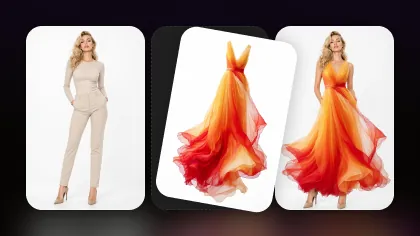
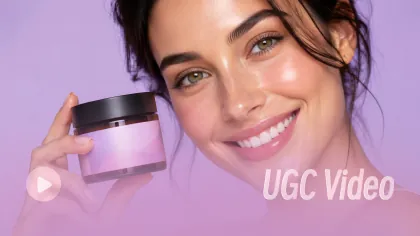
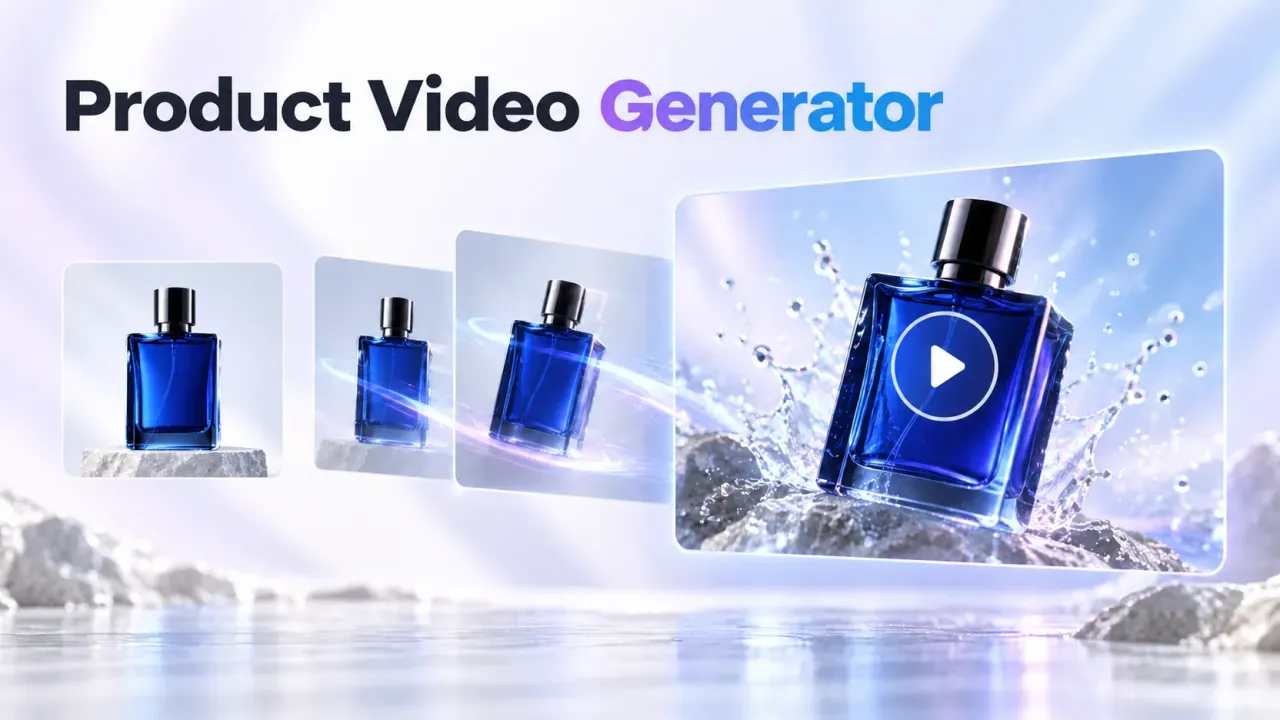
For marketing-specific use cases, Flyne UGC Video Generator, Product to Video AI Generator, and Consistent Character Video Generator are useful places to test social ads, product clips, and character continuity.

Factual Cautions Before Publishing Google Flow Claims
Google Flow claims should be checked against official Google sources before publication. Verify current features, model access, credits, pricing, subscription tiers, supported regions, mobile availability, rights, and usage policies on Google’s Flow page, Google announcement posts, Flow help pages, and Google DeepMind Veo materials.
Do not claim free access, unlimited generation, watermark-free export, API access, commercial rights, or official partnership unless the live page confirms it. If mentioning Gemini Omni, Veo 3.1, Flow tools, beta access, or Google subscription plans, use careful wording and verify the current source.
The same rule applies to Flyne AI. Recommend Flyne for practical AI video testing and related model pages, but avoid saying Flyne supports Google Flow directly unless a live Flyne page explicitly says so.

Google Flow, Veo 3.1, and Gemini Omni-Style Video Concepts
Google Flow is closely associated with Google’s broader video model direction, especially Veo-style cinematic generation and Gemini-assisted creative planning. Official Google materials describe Flow as working with Google AI models, while Flyne gives creators adjacent model pages for practical testing.
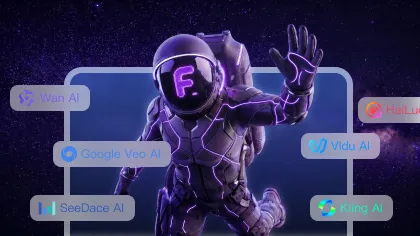
Veo 3.1 AI video generator is the Flyne page to consider when users want Veo-style cinematic prompts, image-to-video tests, and polished scene direction. Flyne Google Veo 3 AI Video Generator is useful for readers comparing Google Veo AI video generator workflows. Gemini Omni AI Video Generator fits readers interested in Gemini Omni AI video, multimodal AI video generation, and AI video workflow with Gemini models.
Keep the language precise: these are related Flyne workflow pages for practical experimentation, not proof of official Google Flow access.

Prompt Formula and Examples for Flow-Style AI Video
Strong AI video prompts work best when they describe a specific shot rather than a vague idea. Use this reusable formula:
[main subject] + [clear action] + [setting] + [camera movement] + [lighting] + [visual style] + [mood] + [duration / aspect ratio if supported] + [avoid rules]
Copy and adapt these examples:
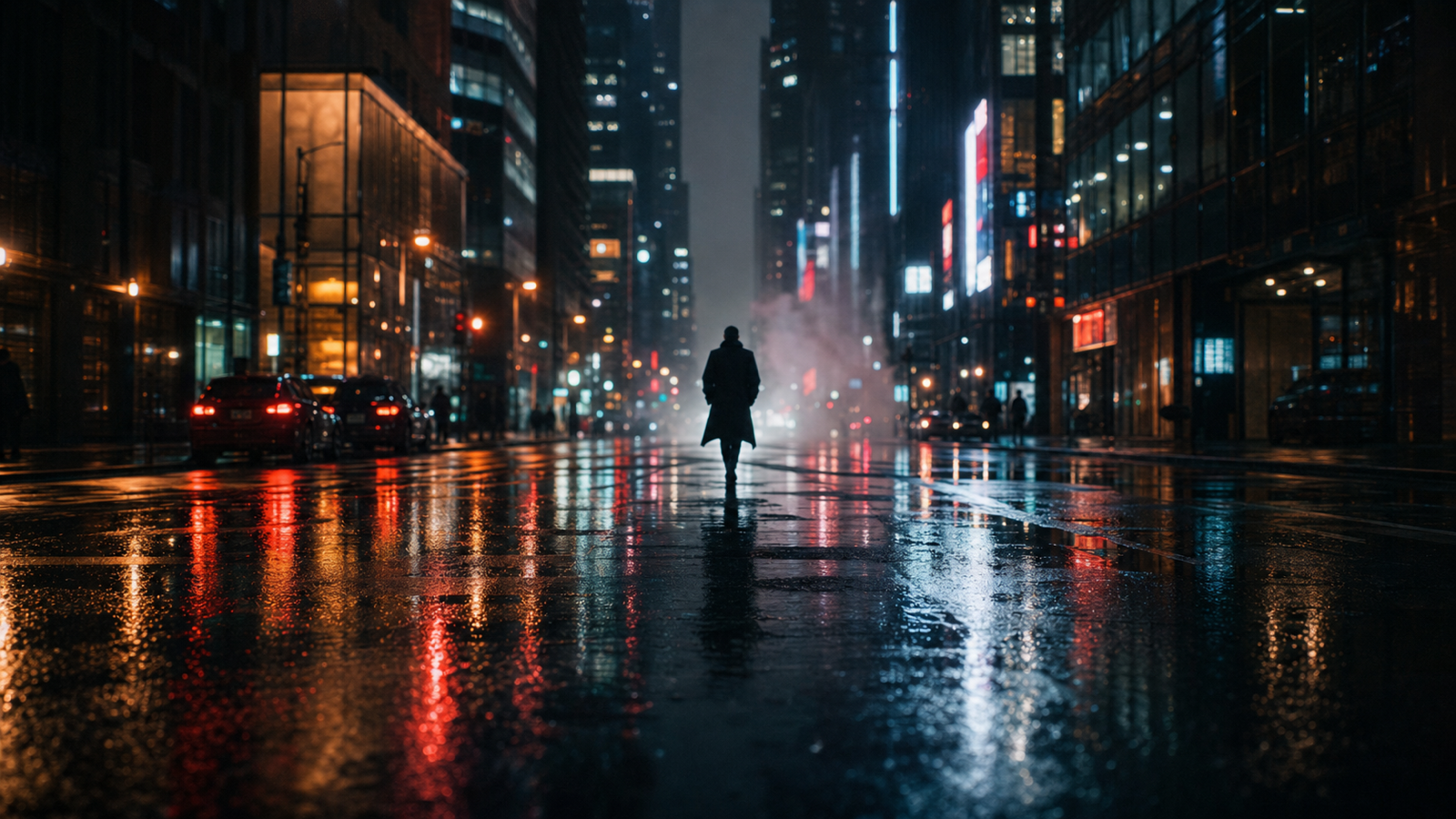
- A young filmmaker walks through a neon-lit alley at night, slow dolly-in camera movement, wet pavement reflections, cinematic lighting, realistic motion, tense but elegant mood.
- A luxury skincare bottle rotates on a marble counter while soft morning light passes through curtains, smooth product camera orbit, premium commercial style, clean background.
- A traveler stands on a cliff above a stormy ocean, wide aerial shot, dramatic clouds, wind moving the jacket naturally, epic cinematic realism.
- A futuristic city train arrives at a glowing station, tracking shot from platform level, realistic crowd motion, cool blue lighting, polished sci-fi atmosphere.
- A chef plates a colorful dessert in a high-end restaurant kitchen, close-up macro shot, shallow depth of field, warm lighting, smooth hand motion.
- A fashion model walks through a minimalist concrete gallery, slow handheld camera, natural fabric movement, editorial magazine style, soft shadows.
- A small robot explores an abandoned greenhouse, low-angle camera, sunbeams through broken glass, emotional storytelling mood, gentle mechanical motion.
- A mobile app interface appears on a floating phone while a user taps key features, clean tech-ad style, soft gradient background, smooth motion transitions.
- A vintage car drives along a coastal highway at sunset, rear tracking shot, realistic road motion, golden-hour lighting, cinematic travel-commercial look.
- A creator speaks to camera in a cozy studio, subtle push-in, warm light, natural facial expression, social video style, clear product demonstration mood.
When testing on Flyne AI, run the same concept through text-to-video, photo-to-video, Veo-style, UGC, product, and consistent-character routes. Compare subject stability, camera control, motion quality, realism, retry needs, and final use case.

Who Should Use Flyne AI While Watching Google Flow?
Flyne AI is most useful for readers who want hands-on AI video practice while tracking how Google Flow develops. It is a practical option for creators testing social clips, marketers building product videos, beginners learning prompt structure, and teams comparing model styles.
Choose Flyne AI Video Generator for general testing, AI UGC Video Generator for creator-style ads, Product to Video for ecommerce visuals, and Consistent Character Video when character continuity matters. Use Veo 3.1, Veo 3, and Gemini Omni pages for model-specific comparison.
Readers who need official Google Flow features should go to Google’s official Flow pages. Readers who want practical adjacent experimentation can use Flyne to build video generation habits now.

FAQ
Is Flyne AI the same as Google Flow?
No. Flyne AI should be described as a practical AI video creation platform, not as Google Flow or official Google Flow access. Use Flyne for adjacent AI video workflows unless a live Flyne page verifies direct Flow support.
Does Google Flow use Google video models?
Official Google materials connect Flow with Google AI models including Veo, Imagen, and Gemini. Specific model availability, features, and access conditions should be verified on official Google pages before publication.
Can I use Flyne AI to test Google Flow-style ideas?
Yes, Flyne AI can be used to test similar creator habits: structured prompts, text-to-video, image-to-video, Veo-style cinematic clips, UGC videos, product videos, and consistent-character workflows. That is different from saying Flyne provides official Google Flow.
Should I claim Google Flow is free or unlimited?
No. Do not claim free access, unlimited generation, watermark-free export, API access, commercial rights, or specific subscription benefits unless the current official page confirms those details.

Conclusion
Google Flow AI video points toward a future where AI filmmaking is less about one prompt and more about creative direction: planning scenes, managing references, generating clips, refining assets, and building cinematic sequences. That makes Flow important for creators watching the future of AI creative studios.
For practical testing today, Flyne AI is a useful adjacent platform for AI video generator workflows, text to video AI generator experiments, photo to video AI generator tests, Veo-style cinematic AI video, Gemini Omni AI video concepts, UGC clips, product videos, and consistent-character scenes. Keep the distinction clear: Google Flow is official Google technology, while Flyne AI is a practical browser-based platform for related AI video experimentation.