1. Why Nano Banana 3 Is Already Getting Attention
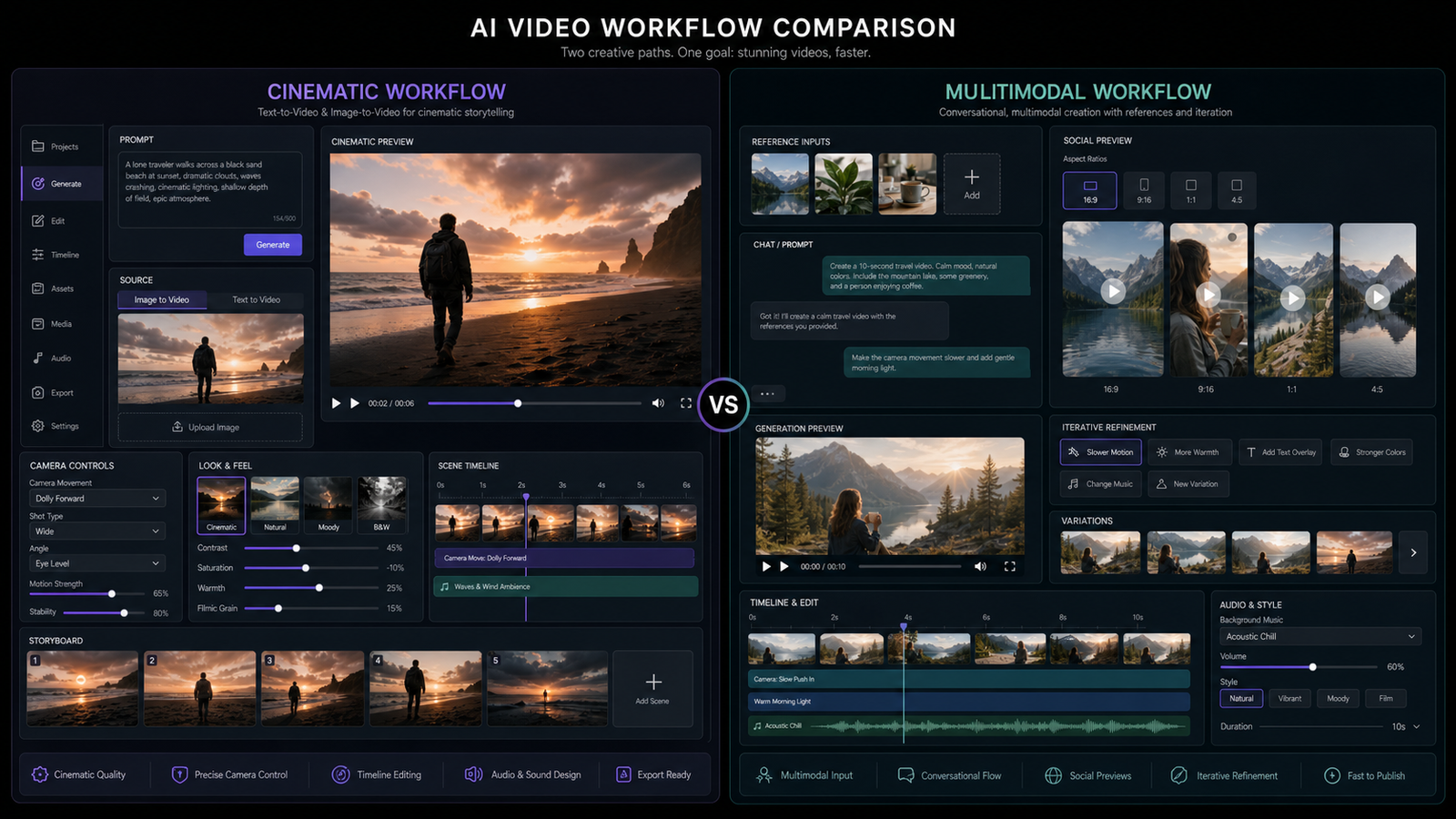
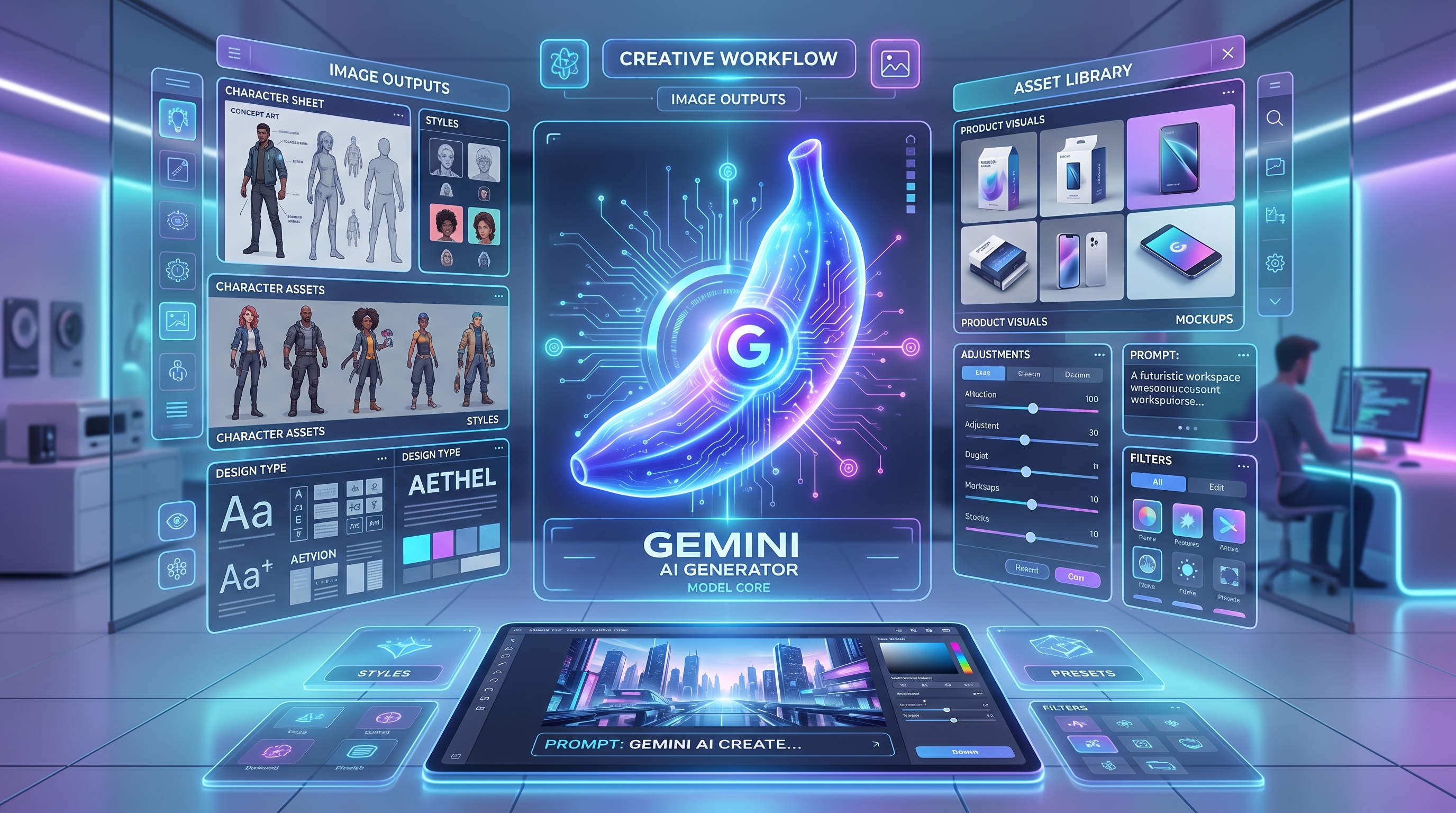
The phrase nano banana 3 pro is already appearing in creator searches, even though Google has not officially announced a model with that exact name. The interest makes sense: Nano Banana, Nano Banana 2, and Nano Banana Pro have turned Google’s Gemini image lineup into one of the most watched AI image families. Creators now expect each new version to improve three things at once: image quality, editing accuracy, and prompt understanding.
That is why predictions around gemini nano banana matter. Even before a confirmed launch, designers, marketers, bloggers, and AI tool users want to know what the next model could change in everyday workflows. The safest way to understand Nano Banana 3 is not as confirmed news, but as a likely direction: faster generation, cleaner text, stronger identity consistency, and more practical creative control.
2. Prediction One: Better Text Rendering and Layout Control
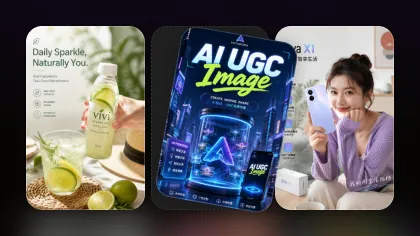
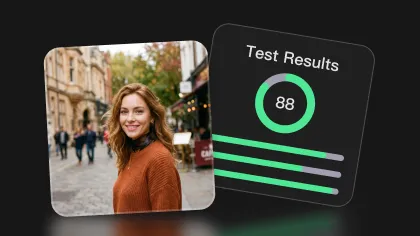
One of the biggest expectations for gemini nano banana 3 is better text inside images. Current image models have improved a lot, but posters, menus, labels, UI mockups, thumbnails, and infographics still require careful prompting. A next-generation Nano Banana model would likely focus on cleaner typography, fewer spelling errors, and better spacing.
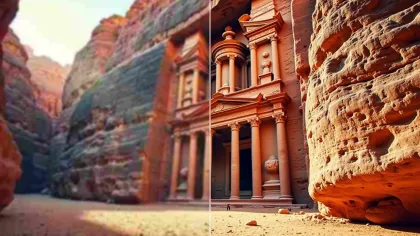
This matters because AI image generation is no longer only about beautiful art. Many users need usable assets: product banners, ad creatives, classroom diagrams, social media covers, and blog visuals. If nano banana pro 3 becomes real, the most valuable upgrade may be less about raw beauty and more about production reliability. A model that understands where text belongs, how large it should be, and how it should fit the design would save creators many retries.
3. Prediction Two: Stronger Character and Brand Consistency
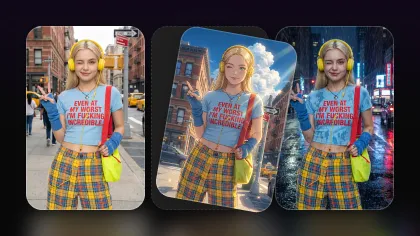
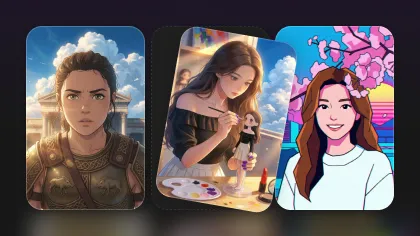
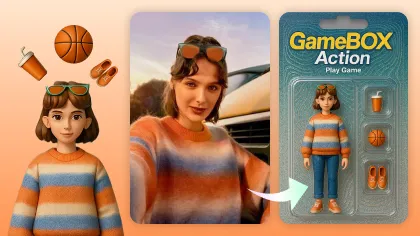
Another likely upgrade is consistency. For professional work, the problem is not making one good image; it is making ten related images that still look like part of the same campaign. A future nano banana 3 pro could improve how well it keeps the same face, outfit, mascot, product, color palette, logo style, and scene logic across multiple generations.
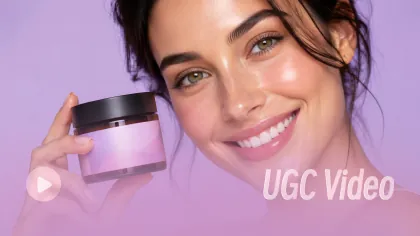
This would be especially useful for UGC ads, product photography, web design, ecommerce visuals, and short-form content thumbnails. Instead of rebuilding a character from scratch every time, users could guide the model through a series of related outputs. The result would feel closer to a creative assistant than a random image generator.
4. Prediction Three: More Useful Editing, Not Just Generation
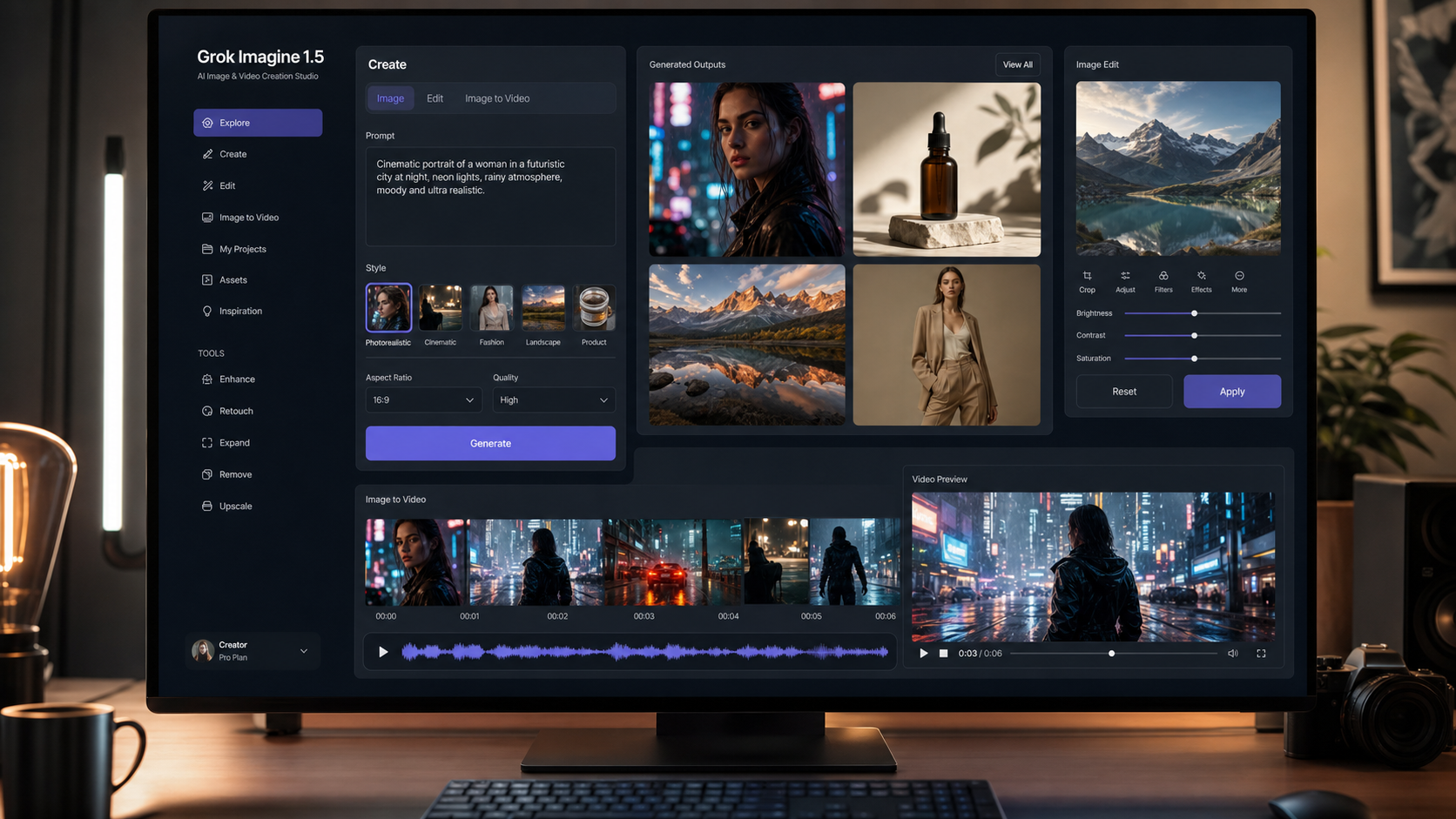
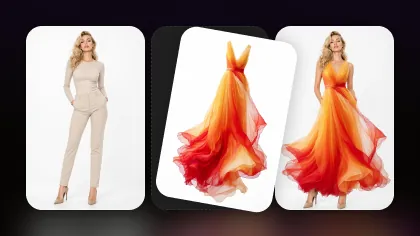
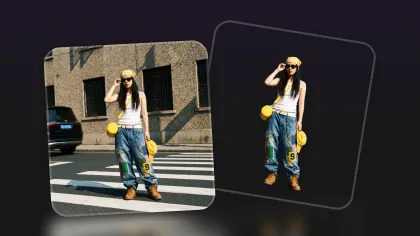
The Nano Banana family is popular partly because it is associated with image editing, not only text-to-image generation. That is why a possible gemini nano banana upgrade would probably focus on precise editing commands: replace this object, keep the face unchanged, adjust only the background, change the lighting, extend the canvas, or turn a sketch into a polished design.
For creators, this is where the next leap could feel most practical. The future of AI image tools is not simply “type a prompt and accept the result.” It is a loop: generate, edit, compare, refine, and export. If gemini nano banana 3 improves local editing, it could become more useful for people who already have source photos, product shots, brand assets, or rough drafts.
5. Prediction Four: Faster Workflows for Everyday Creators
A next model also needs speed. Beautiful results are important, but creators often need to test many ideas before choosing one. A possible nano banana pro 3 may therefore balance pro-level reasoning with faster previews, lower retry cost, and easier batch-style workflows.
This would help content teams move from idea to publishable visual faster. For example, a blogger could generate several hero image concepts, a marketer could test ad styles, and a designer could compare different layouts before doing final edits. The winning model will not only be the one with the best single image. It will be the one that makes the whole creative process smoother.
6. What Users Should Expect Before the Official Release
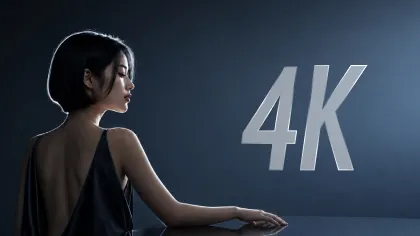
For now, Nano Banana 3 should be discussed carefully. It is better to call it a prediction or possible next-generation Gemini image model, not an official product. The current direction of Google’s image models suggests that future upgrades may emphasize reasoning, text accuracy, visual grounding, higher-resolution output, and stronger editing control.
The most realistic expectation is that a future nano banana 3 pro would not replace every creative tool. Instead, it would reduce the gap between idea, draft, and usable asset. Users should watch for official naming, model access, pricing, API availability, image resolution, commercial-use terms, and whether the model is optimized for casual creators, developers, or professional design teams.
Recommendation: Try Nano Banana Tools on Flyne AI
While Nano Banana 3 remains speculative, you can already test similar workflows with available tools on Flyne AI. For fast image generation, editing, and everyday creative tests, try Nano Banana 2. For more advanced visual quality, stronger semantic control, and professional-style image generation, use Nano Banana Pro.
Flyne AI is useful because it keeps the workflow simple: enter a prompt, upload reference images when needed, adjust options, and generate visuals without building a technical setup from scratch. If you are writing about Nano Banana 3 predictions, testing Nano Banana 2 and Nano Banana Pro first gives you a practical baseline for judging what the next model may need to improve.
Related Article
- What Is Nano Banana 2 and How Does It Work?
- Higgsfield Just Launched a Nano Banana Pro Page — What Nano Banana Pro Is, How to Use It, and Why Flyne AI Is a Smart Place to Try It
- Creating 4K High-Quality Images with Nano Banana Pro AI: A Practical Editor’s Guide
- GPT Image 2 Explained: What’s New, and How It Compares With Nano Banana Pro
People Also Read
- Nano Banana Pro AI Image Generator
- HeyDream AI Image Generator Guide: Best Models for Text-to-Image and Image-to-Image
- Nano Banana 2 vs Qwen Image 2.0 vs Seedream 5.0: Which Model Fits Your Workflow?
- Nano Banana 2 vs Nano Banana Pro: What Changed and Which One Fits Your Workflow?
- How to Use Nano Banana 2 for AI Image Generation and Editing
- Nano Banana 2 vs Seedream 5.0: A Practical Comparison Guide